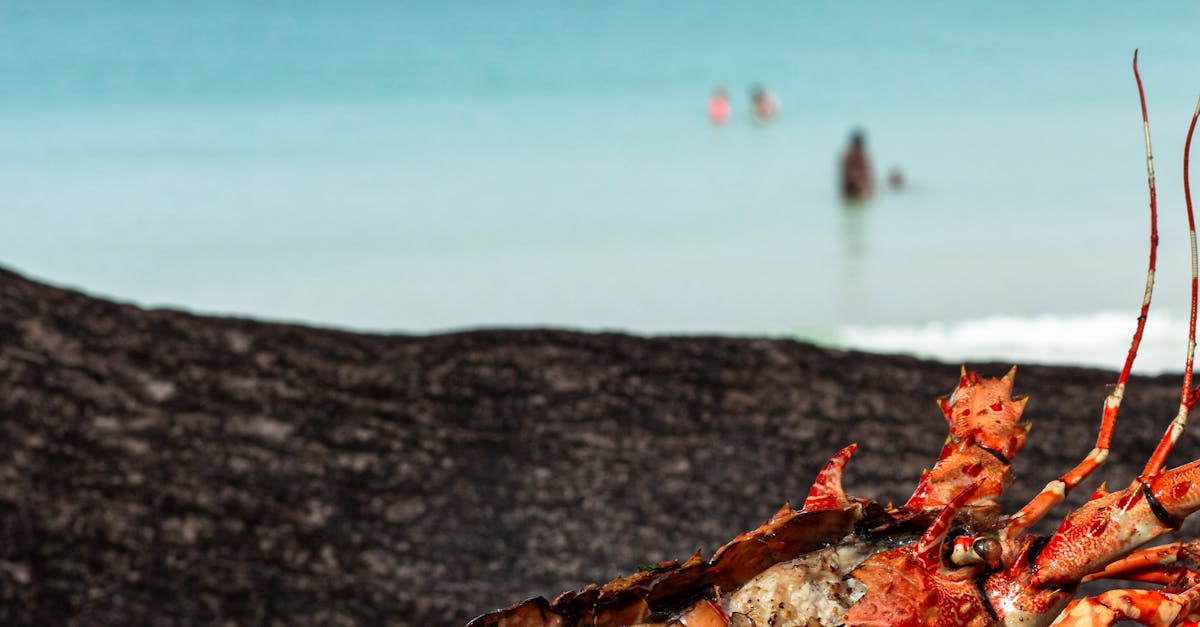
Another method that has emerged in high-end dining is the use of smoking to impart a rich depth of flavour. Chefs select various types of wood chips, infusing the lobster with unique aromatic profiles. The combination of smoking and traditional cooking techniques, such as roasting or grilling, results in a vibrant fusion of flavours, elevating the dining experience and leaving diners eager for each innovative creation.For those seeking a bolder flavour profile, consider using a pinch of cayenne pepper or a drizzle of spicy sauce. A marinade using soy sauce and sesame oil brings a unique twist, combining umami with a subtle nuttiness. Alternatively, a simple blend of salt and black pepper allows the lobster's flavour to shine through without overwhelming it. Experimenting with these seasonings can lead to a delightful culinary experience.
Pairing OptionsRegional Variations in Lobster Preparation
Serving frozen lobster alongside carefully chosen side dishes can enhance the overall dining experience. Classic accompaniments like garlic butter or lemon wedges complement the rich, sweet flavour of the lobster without overshadowing it. A light, crisp salad dressed in a citrus vinaigrette also works well, adding freshness that balances the richness of the shellfish. For a more substantial option, consider roasted or steamed vegetables, such as asparagus or green beans, which provide a delightful texture and vibrant colour to the plate.Lobster preparation varies significantly across regions, influenced by local ingredients and culinary traditions. In New England, a classic method involves boiling live lobsters in seawater, often served with melted butter and corn on the cob. This straightforward technique highlights the natural sweetness of the meat. On the other hand, the UK may favour lobster thermidor, where the meat is cooked in a creamy sauce, combined with cheese, and baked in the shell. This indulgent approach showcases the richness of the seafood within the confines of a robust flavour profile.
In addition to side dishes, the right sauces can elevate a lobster dish. Creamy sauces, such as a homemade lobster bisque or a dill-infused beurre blanc, add a layer of sophistication. For a kick, try a spicy aioli or a garlic herb sauce to bring forward the natural sweetness of the lobster. Combining these elements thoughtfully can turn a simple meal into a memorable dining experience, showcasing the lobster as the centrepiece while creating harmony on the plate.In Australia, the focus is on fresh, grilled lobster, marinated with native herbs and citrus for a bright twist. This method allows the sweetness of the lobster to shine through while adding a distinctive local flair. Meanwhile, in some Mediterranean regions, lobsters are often prepared as part of a vibrant seafood paella, simmering in a mosaic of flavours from saffron to shellfish stock. Such variations indicate that folklore, geography, and climate play essential roles in the culinary narratives surrounding lobster across the globe.
Ideal Side Dishes and Sauces for LobsterDistinct Techniques from New England to the UK
When it comes to pairing, classic combinations can elevate the dining experience. A light, citrusy salad with mixed greens and a vinaigrette brings brightness to the richness of lobster. Alternatively, roasted or steamed vegetables such as asparagus, green beans, or carrots add a burst of colour and a pleasing contrast in texture. For a heartier option, creamy mashed potatoes or a decadent risotto can provide a comforting foundation to complement the delicate flavour of the seafood.In New England, lobster is often prepared in a straightforward manner, reflecting the region's maritime heritage. Boiling is a prevalent method, where live lobsters are plunged into a pot of salted water, creating a tender and juicy crustacean that highlights its natural sweetness. Once cooked, lobsters are typically served with melted butter, allowing diners to enjoy a classic combination that has become synonymous with the coastal experience.
Sauces play a crucial role in enhancing the taste of lobster. A simple garlic butter sauce is a timeless favourite, allowing the natural sweetness of the lobster to shine through. For those seeking a bolder experience, a lemon-dill sauce adds a refreshing zing while a rich, creamy béarnaise can provide a luxurious finish. Experimenting with these options can lead to delightful discoveries and elevate any lobster dish to new heights.Across the Atlantic, the UK showcases its own interpretations of lobster preparation. Grilling or roasting is favoured, often accompanied by rich sauces or complemented by fresh herbs and citrus. British recipes sometimes incorporate the crustacean into dishes like lobster thermidor, which combines the meat with a creamy, mustard-infused sauce, reflecting a preference for bold flavours and indulgent cooking techniques. Each region offers distinct presentations that celebrate the unique characteristics of lobster.
FAQSFAQS
How should I properly thaw frozen lobster?What are some traditional methods of cooking lobster?
The best way to thaw frozen lobster is to place it in the refrigerator for several hours or overnight. For quicker thawing, you can also submerge it in cold water, ensuring it is sealed in a waterproof bag. Avoid thawing at room temperature or using hot water as this can compromise the quality.Traditional methods of cooking lobster include boiling, steaming, and grilling. Each technique enhances the natural flavours of the lobster while providing a unique texture.
What are the best cooking methods for frozen lobster?How has modern gastronomy influenced lobster cooking?
Recommended cooking methods for frozen lobster include steaming, boiling, grilling, and baking. Each method offers unique results, so choose one based on your desired texture and flavour.Modern gastronomy has introduced innovative cooking methods, such as sous-vide and molecular gastronomy, allowing chefs to explore new flavours and textures while elevating the dining experience.
How can I enhance the flavour of frozen lobster?Are there regional variations in how lobster is prepared?
You can enhance the flavour of frozen lobster by using various seasonings such as garlic, lemon, butter, and herbs like dill or parsley. Marinating the lobster before cooking can also add depth to its flavour.Yes, there are significant regional variations in lobster preparation. For example, New England is known for its lobster rolls and boiled lobsters, while the UK often features lobster thermidor and grilled lobster dishes.
What are some ideal side dishes to serve with lobster?What are some innovative cooking techniques used by renowned chefs?
Ideal side dishes to pair with lobster include roasted vegetables, creamy mashed potatoes, rice pilaf, and fresh salads. Additionally, sauces such as garlic butter or hollandaise work well to complement the dish.Renowned chefs often employ techniques such as sous-vide cooking, smoking, and the use of flavour-infusing marinades to create unique lobster dishes that push culinary boundaries.
How long can I store frozen lobster before cooking?Why is lobster considered a delicacy in modern cuisine?
Frozen lobster can be stored in the freezer for up to 6-12 months while maintaining its quality. However, it’s best to use it sooner rather than later for optimal taste and texture.Lobster is considered a delicacy due to its rich flavour, tender meat, and versatility in cooking. Additionally, its association with luxury dining and special occasions enhances its status in modern cuisine.
Related LinksRelated Links
Review of the Best Practices for Lobster Traceability10 Delicious Recipes Featuring Frozen LobsterHistorical Overview of Lobster Freezing TechniquesWhy Lobster is a Great Choice for Special Occasions
Roundup of the Latest Trends in Lobster Sourcing and QualityRoundup of Essential Cooking Tools for Frozen Lobster
Why Quality Assessment is Crucial in the Lobster IndustryReview of the Best Frozen Lobster Brands
Why Sustainable Sourcing Matters for Frozen LobsterWhy Choose Frozen Lobster Over Fresh
What to Consider When Evaluating the Impact of Freezing Techniques on QualityWhat to Serve with Frozen Lobster