Review of the Best Frozen Lobster Brands
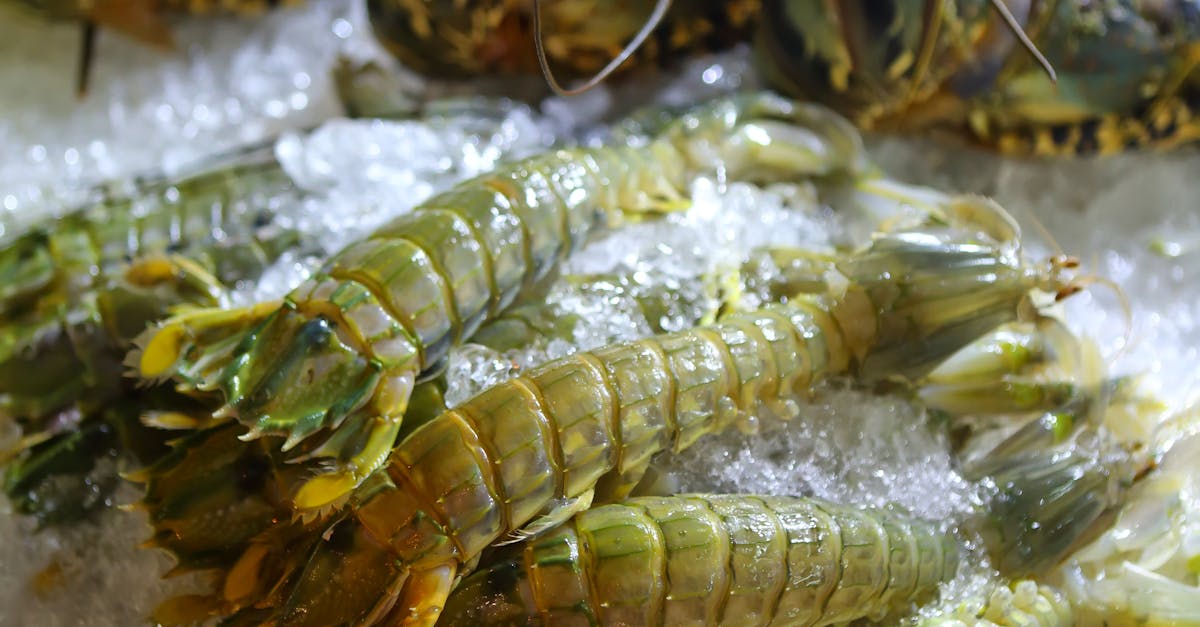
Preparing Lobster for Thawing
Nutritional Benefits of Frozen LobsterBegin by removing the frozen lobster from the freezer and inspecting its packaging. Check for any signs of damage or tears that may have compromised the seal. If the packaging is intact, place the lobster in a bowl or tray to catch any excess moisture that may result from the thawing process. This step ensures a tidy workspace and prevents contamination of other foods.
Frozen lobster serves as a rich source of essential nutrients. It is packed with high-quality protein, which is vital for muscle retention and overall health. Additionally, lobster provides significant amounts of omega-3 fatty acids, known for their heart health benefits. This seafood option is low in calories and saturated fat, making it a desirable choice for those seeking a healthy diet.It's essential to plan your thawing method ahead of time. The best approach is to place the lobster in the refrigerator for a gradual thaw, which can take 12 to 24 hours depending on the size. For a quicker method, submerging the lobster in cold water can expedite the process, but it requires more attention to ensure the water remains cold. Avoid using hot water as it may partially cook the lobster and compromise its quality.
Beyond protein and omega-3s, frozen lobster is an excellent source of important vitamins and minerals. It contains vitamin B12, which supports nerve function and the production of DNA. Furthermore, it offers substantial amounts of selenium, an antioxidant that plays a crucial role in metabolism and protects against cell damage. Including frozen lobster in your diet can contribute positively to your overall nutritional intake.Best Practices Before Thawing Begins
Key Nutrients Found in LobsterA careful approach to thawing frozen lobster can significantly enhance its flavour and texture. Start by transferring the lobster from the freezer to the refrigerator. This method allows for a gradual thawing process, reducing the risk of bacterial growth and ensuring the meat remains firm. It is advisable to plan ahead, as the time required for a complete thaw can range from 8 to 24 hours, depending on the size of the lobster.
Lobster is a nutrient-dense seafood option that offers a range of health benefits. It is a rich source of high-quality protein, which is essential for muscle maintenance and repair. Additionally, lobster contains omega-3 fatty acids, known for their heart health benefits. These healthy fats can contribute to improved cardiovascular function and lower inflammation in the body. Before initiating the thawing process, inspect the lobster for any damage to its packaging. Ensure that it is sealed properly to prevent any moisture loss or contamination. If the lobster shows signs of freezer burn or unusual odours, it may not deliver the desired culinary experience. Keeping your kitchen environment clean and organised is essential, as this will further minimise the risk of cross-contamination during preparation and cooking.
In terms of vitamins and minerals, lobster is particularly high in zinc, which plays a vital role in immune function and wound healing. It also provides significant amounts of selenium, an antioxidant that helps protect cells from damage. The presence of B vitamins, such as B12 and niacin, supports energy production and overall metabolic health. Such a combination of key nutrients makes lobster an excellent addition to a balanced diet.Signs That Lobster is Properly Thawed
Serving Suggestions for Frozen LobsterWhen assessing whether lobster has thawed properly, its texture can be a key indicator. The flesh should feel soft yet firm to the touch, without any signs of mushiness. If the lobster has been frozen in a shell, check that the shell is pliable and easily bent. A fully thawed lobster will also exhibit a vivid hue, typically a bright red or orange when cooked, but even in its raw state, the flesh should have a translucent appearance.
Frozen lobster presents a versatile ingredient that can elevate many dishes. One popular approach is to steam or boil the lobster, then serve it simply with melted butter and lemon wedges for a classic treat. For a more adventurous twist, consider grilling the lobster tails brushed with a herb-infused oil to impart a smoky flavour. This method enhances both texture and taste, making it a delightful addition to summer barbecues.Another sign to look for involves the lobster's odour. A properly thawed seafood product should have a mild, fresh scent reminiscent of the sea. If there is a strong, fishy or sour smell, it might indicate that the lobster has begun to spoil, suggesting that it should not be consumed. Always inspect the lobster for any ice crystals that may indicate partial thawing, which can affect both the flavour and safety of the meat.
Incorporating frozen lobster into pasta dishes can also create an impressive meal. Pairing it with a creamy garlic sauce or a tomato-based sauce brings out the richness of the seafood. For those looking to explore further, lobster can be transformed into a luxurious seafood risotto, where the creamy grains complement the sweet brininess of the meat. Each of these serving suggestions ensures that frozen lobster is not only accessible but also a culinary delight.What to Look For When Checking Doneness
Creative Recipes to Enhance Your Dining ExperienceWhen assessing the doneness of thawed lobster, it is essential to examine its flesh. Cooked lobster meat should appear opaque with a distinctive white hue, while the shell turns a bright red. If you notice any translucent areas in the flesh, that could indicate it is not fully cooked. Another visual cue is the colour of the shell; a properly cooked lobster will exhibit a vivid, uniform colour without any dark spots.
What cooking methods are recommended for thawed lobster?Is frozen lobster as good as fresh lobster?
While fresh lobster may have a slight edge in flavour and texture, high-quality frozen lobster can be nearly indistinguishable when properly cooked and prepared, making it a practical alternative.