Roundup of Essential Tips for Cooking Frozen Lobster
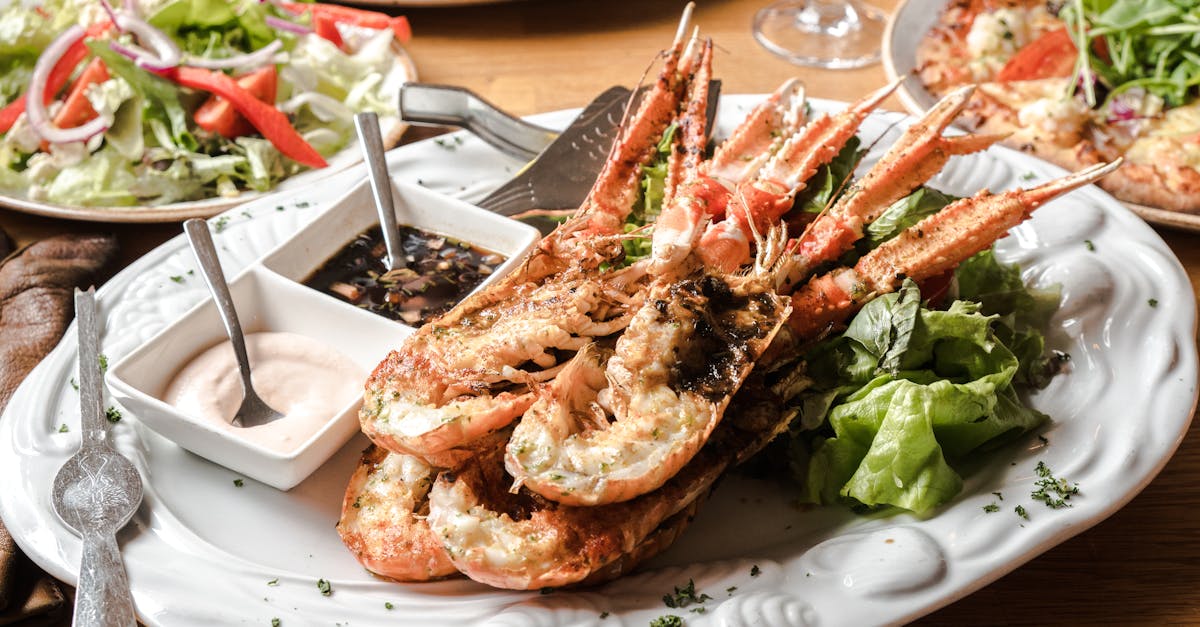
Baking Lobster
Cooking frozen lobster can be a delightful culinary challenge. Begin by preheating the oven to the ideal temperature. Wrapping the lobster in foil helps retain moisture, ensuring a succulent result. Arrange the lobsters on a baking tray for easy handling. Baking time may vary, but monitoring the temperature is crucial for achieving the perfect texture.
As the lobsters bake, it’s wise to baste them with melted butter or olive oil intermittently. This adds flavour and richness to the meat. Once the lobsters reach an internal temperature of around 60°C, they are ready to be removed from the oven. Allowing them to rest for a few minutes before serving enhances the overall dining experience, as it allows the juices to redistribute.
Recommended Oven Temperatures and Times
Cooking frozen lobster requires precise temperature and timing to achieve that perfect tender texture. Preheating your oven to around 205°C (400°F) is typically ideal for baking lobster. Depending on the size of the lobster, the cooking time may vary; generally, a 500-gram lobster will take approximately 25 to 30 minutes. To ensure the lobster is cooked thoroughly, it’s important to check that the internal temperature reaches 60°C (140°F), guaranteeing that it is both safe to eat and deliciously tender.
For optimal results, consider using a covered baking dish or wrapping the lobster in foil. This method allows steam to circulate and keeps the meat moist during the cooking process. Additionally, for added flavour, a splash of white wine or a drizzle of melted butter can be introduced before sealing the dish. If you prefer a slightly crispy exterior, remove the cover in the last few minutes of cooking to allow the lobster to brown slightly without drying out.
Seasoning Frozen Lobster
When it comes to enhancing the flavour of frozen lobster, seasoning plays a crucial role. A simple approach can be incredibly effective. Just a sprinkle of salt and pepper can bring out the natural sweetness of the meat. For those looking for a bolder flavour, consider a mixture of garlic powder, paprika, and a hint of cayenne for a slight kick. Brushing melted butter over the lobster before cooking not only adds richness but also helps the seasonings adhere better.
Marinades can elevate the taste profile even further. A blend of olive oil, lemon juice, and fresh herbs like thyme or parsley works wonders to infuse the meat with flavour. For a more exotic twist, try a marinade featuring soy sauce, ginger, and sesame oil. Allowing the lobster to sit in the marinade for at least half an hour helps the flavours penetrate the flesh, making each bite truly delicious.
Popular Marinades and Seasoning Blends
Many cooks prefer a classic garlic butter marinade for its rich flavour profile. Melted butter combined with minced garlic, parsley, and a squeeze of lemon juice creates a delicious dressing that complements the sweet taste of lobster. This marinade can be brushed onto thawed lobster before baking or grilling, ensuring each bite is infused with delectable aromas.
Another popular choice is a zesty herb blend featuring olive oil, lemon zest, and a mix of herbs such as thyme, rosemary, or dill. This combination adds a refreshing twist while allowing the natural flavours of the lobster to shine. Marinating the lobster for at least 30 minutes before cooking intensifies these flavours, making for an exceptionally tasty dish.
Pairing Sides with Lobster
Lobster is a luxurious dish that pairs beautifully with a variety of sides, enhancing its rich flavours. Classic accompaniments include buttery corn on the cob, which adds sweetness and crunch. A light, refreshing salad with a zesty vinaigrette can also provide a nice contrast to the decadence of the lobster, offering a burst of freshness that balances the meal.
For a heartier option, creamy mashed potatoes or roasted vegetables can complement the dish exceptionally well. The creaminess of the potatoes or the caramelisation of the vegetables adds depth and further enhances the dining experience. For a more adventurous touch, consider serving lobster with a side of garlic and herb pasta to create a comforting yet elegant meal.
Complementary Dishes to Enhance the Meal
Lobster pairs beautifully with a variety of sides that can elevate the dining experience. A classic choice is buttery garlic bread, which not only serves as a delightful vehicle for soaking up any lobster juices but also adds a satisfying crunch. Roasted vegetables, such as asparagus or Brussels sprouts, complement the richness of the lobster without overwhelming its delicate flavours. The addition of a light salad, perhaps with a citrus vinaigrette, introduces freshness and balances the heaviness of the main dish.
In terms of starches, creamy mashed potatoes or a lemon-infused risotto can be excellent companions. The creaminess enhances the lobster's sweetness, while the citrus lifts the overall meal. Alternatively, a simple rice pilaf seasoned with herbs could provide a more subtle backdrop, allowing the lobster to shine. Incorporating seasonal items, such as baby potatoes or corn on the cob, can also add a comforting touch to the plate, making the meal feel rustic and inviting.
FAQS
How do I prepare frozen lobster for cooking?
To prepare frozen lobster for cooking, first thaw it in the refrigerator overnight or place it in a sealed bag and immerse it in cold water for about 30 minutes. Once thawed, rinse the lobster under cold water and pat it dry before cooking.
What is the best way to bake frozen lobster?
The best way to bake frozen lobster is to preheat your oven to the recommended temperature, typically around 180°C (350°F). Place the lobster in a baking dish, add any desired seasonings or marinades, and bake for about 25-30 minutes, or until the meat is opaque and firm.
Can I season frozen lobster before cooking?
Yes, you can season frozen lobster before cooking. Popular marinades and seasoning blends include garlic butter, lemon juice, herbs like parsley or dill, and spices such as paprika or cayenne pepper. Allow the lobster to marinate for at least 30 minutes for enhanced flavour.
What side dishes pair well with lobster?
Complementary dishes that pair well with lobster include garlic bread, roasted vegetables, mashed potatoes, and fresh salads. You can also serve it with rice or pasta for a more substantial meal.
How can I ensure my lobster is cooked properly?
To ensure your lobster is cooked properly, check that the meat is opaque and firm to the touch. You can also use a food thermometer; the internal temperature should reach at least 60°C (140°F) for safe consumption.
Related Links
Review of the Best Frozen Lobster BrandsHow to Properly Thaw Frozen Lobster
10 Delicious Recipes Featuring Frozen Lobster
The History of Lobster in British Cuisine
Why Thawing Frozen Lobster is Important
Why You Should Choose Frozen Lobster
What to Know About Thawing Frozen Lobster
How to Cook Frozen Lobster Perfectly
What to Serve with Frozen Lobster